Rooftop Units
Match packaged equipment with the right room and rooftop controls.
Commercial building controls
Shop thermostats, sensors, and connected building controls. Get straightforward guidance for replacements, upgrades, and new projects.
Start with your project
New system
Plan controls around your building, equipment, and operating needs.
Expand
Find compatible components and next steps for an existing installation.
Replace
Locate a known model or understand replacement options before ordering.
Shop
Browse standalone thermostats by features and equipment type.
Browse products by component type.
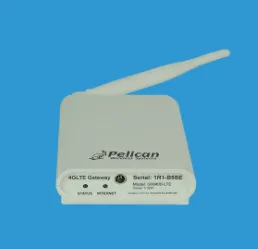
Thermostats for commercial equipment and connected systems.
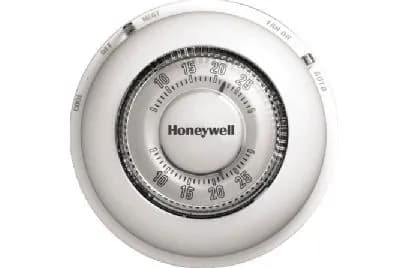
Everyday heating and cooling controls for individual systems.
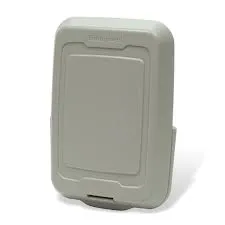
Remote, outdoor, and duct temperature sensors.
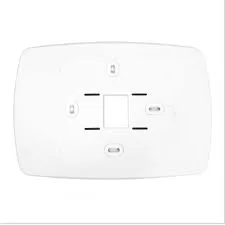
Wall plates, guards, and mounting accessories.
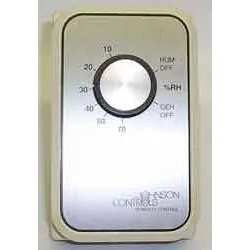
Controls for humidifying and dehumidifying equipment.
Cases and accessories for HVAC service tools.
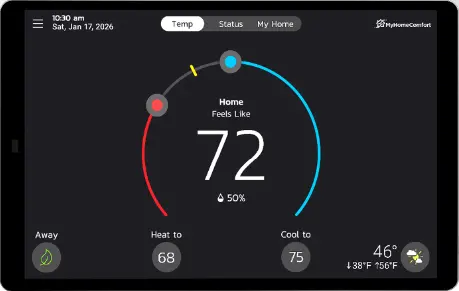
Thermostats that communicate with compatible equipment through a defined control bus or system interface.
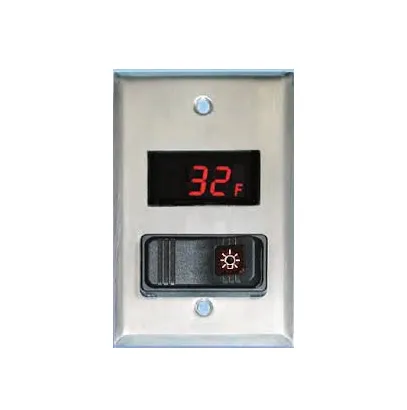
Temperature indicators for equipment monitoring and local readout.
Review staging, wiring, and control requirements for your equipment type.
Match packaged equipment with the right room and rooftop controls.
Coordinate central equipment with the needs of individual spaces.
Find controls for compressor stages, auxiliary heat, and everyday comfort.
Explore controls for supported two-pipe and four-pipe fan coil systems.
Coordinate outside-air cooling with ventilation and equipment operation.
Move room control or sensing when running a new cable is difficult.
Project help
Gather your model numbers, wiring photos, and project goals. We’ll help you organize the details for a selection review.
Guides & resources
Use practical guides to document your setup and compare control options.
Guide
A practical process for documenting a commercial controls project before evaluating thermostat and system options.
Guide
How to tell whether a project needs a commercial control strategy or a standalone regular thermostat.
Guide
A field checklist for capturing equipment, wiring, and control details before you plan any thermostat or controls change.
Trusted brands
Browse product lines and resources by brand.
Frequently asked
A regular thermostat typically controls a single residential or light-commercial system on its own. A commercial thermostat is often part of a connected system that can include gateways, equipment controllers, remote sensors, and a building-control network. Commercial selection starts with the controlled equipment and the required sequence of operation, not just the wall control.
Collect the rooftop unit's complete model and serial information, the existing thermostat or controller model, legible wiring photographs, and a description of the required operating sequence. Packaged rooftop units vary in control voltage, staging, terminal conventions, and economizer interfaces, so the equipment details—not the building type—determine a compatible control.
Often yes. Start by documenting the installed devices—thermostats, sensors, zone panels, controllers, gateways, and repeaters—then verify the replacement against current manufacturer documentation. For connected systems, confirm every required system role rather than assuming a thermostat operates on its own.
Open the product’s ‘Will this work with my system?’ section to compare supported configurations, required components, limitations and model-specific checks. Follow the linked manufacturer documentation and building-system or application guides. If compatibility is marked as not verified, check the exact equipment model and revision in the manufacturer’s manual before ordering. A shared brand or similar model number is not a confirmed match.